
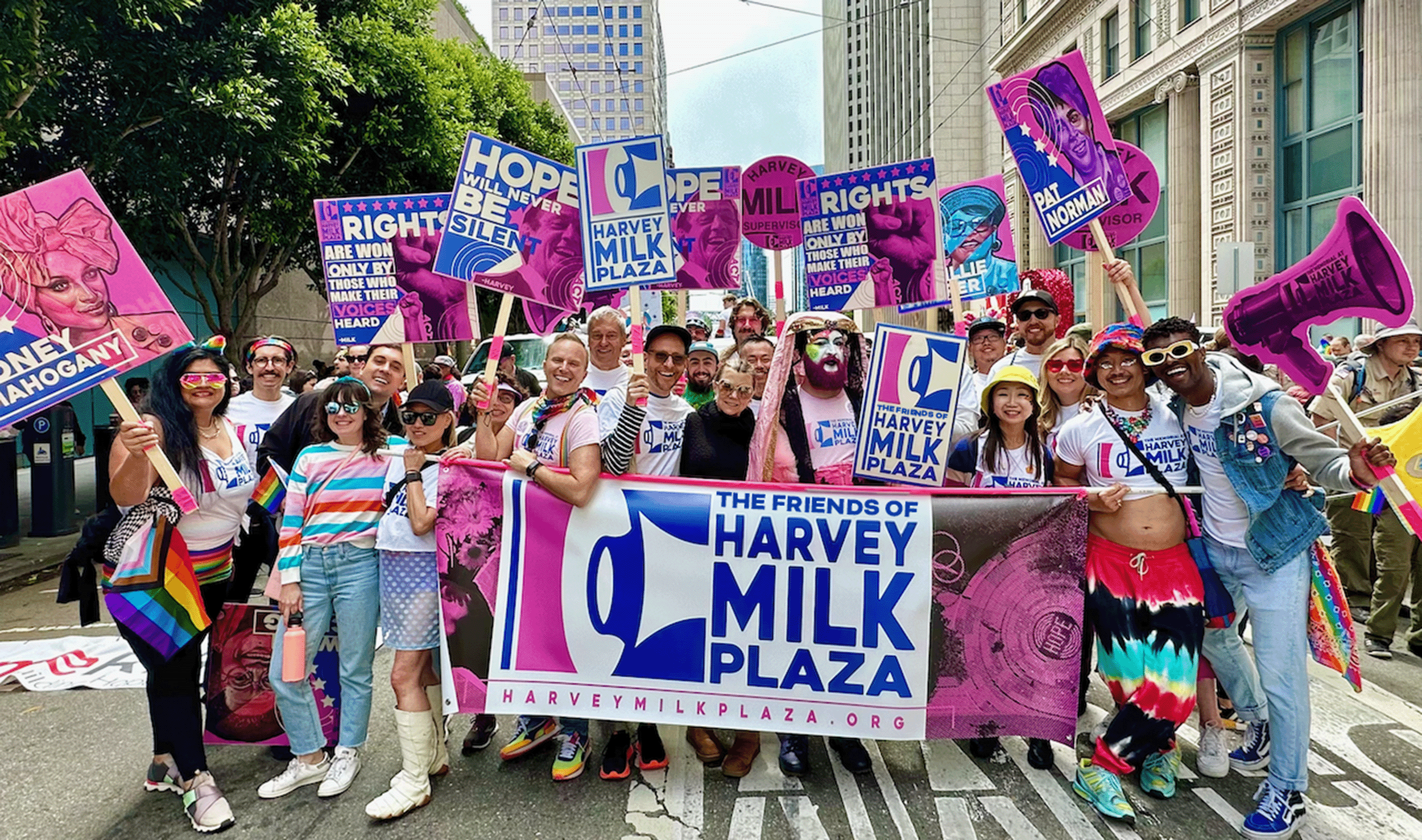
The community is writing this story.
Deep community conversation has shaped what the Plaza will become. Friends of Harvey Milk Plaza has spent years listening — conducting more than twenty community listening sessions, engaging lesbians and queer women, transgender communities, communities of color, youth, elders, and many others in direct conversation about what this Plaza should be and whose stories it should tell. That work runs through every dimension of the Plaza project, from the overall design to the curatorial vision for the Gallery.
As the Gallery moves from concept to reality, that engagement now centers on the element that will give the Plaza its voice. To develop a narrative framework, Friends of Harvey Milk Plaza has formed a Storytelling and Curatorial Advisory Circle — a group of organizations with deep roots in LGBTQ+ history, culture, and community life:
The GLBT Historical Society — one of the nation’s premier institutions for LGBTQ+ history, with an archive of more than 3 million items documenting queer life in the Bay Area and beyond.
The Castro LGBTQ Cultural District — the city-designated steward of the Castro’s role as a global center of LGBTQ+ life.
Beyond the Advisory Circle, a broader network of organizations representing transgender communities, communities of color, deaf and disabled communities, leather culture, youth, elders, and more will have a direct voice in shaping the Gallery.
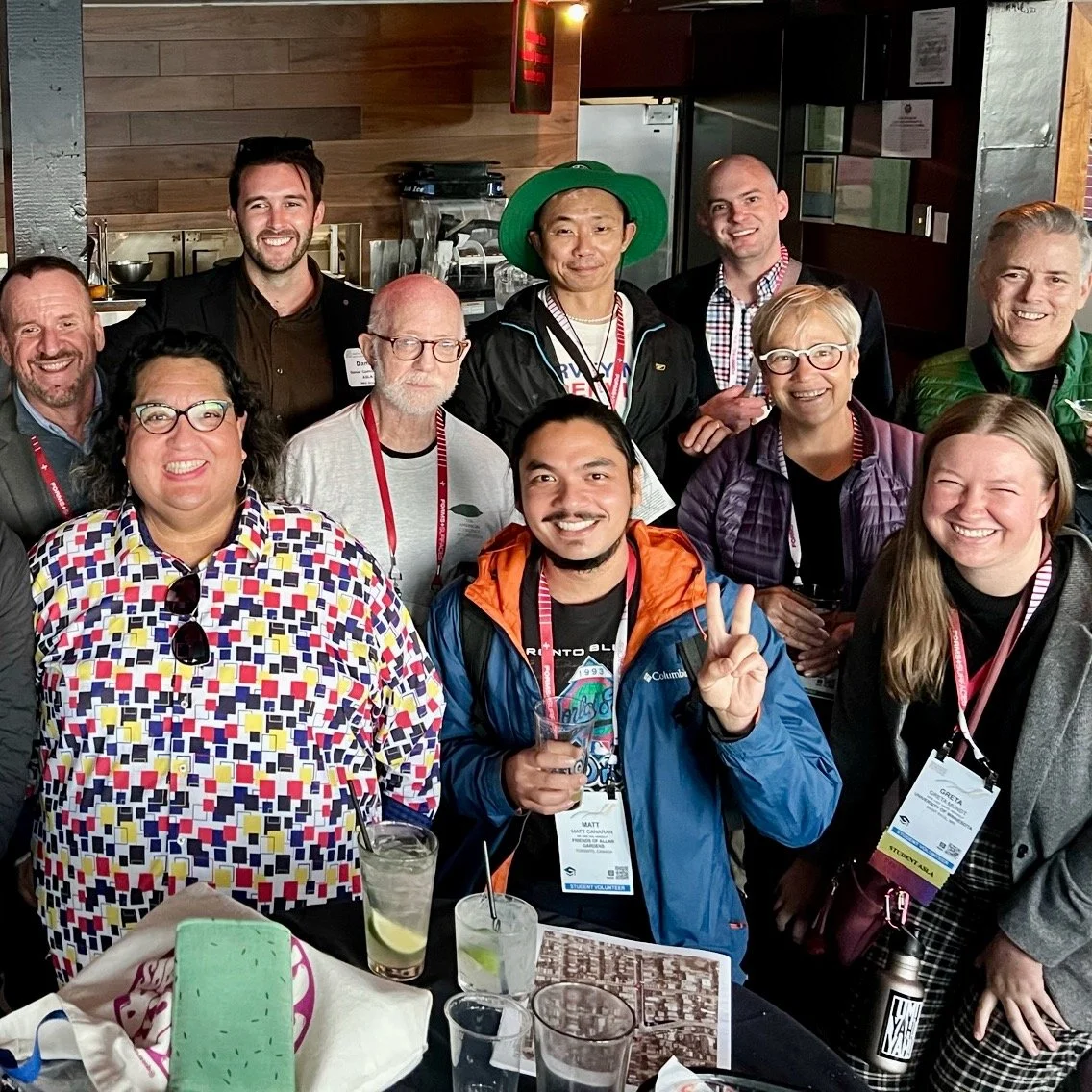
A movement made by many.
Harvey Milk arrived in the Castro in 1972 and became one of the most celebrated figures in LGBTQ+ civil rights history. But the cause he helped ignite was never his alone. It was led by organizers, artists, caregivers, elders, youth, allies, and everyday people who fought, grieved, celebrated, and refused to disappear.
The Gallery will honor that full constellation of voices. Harvey Milk’s image and words will be a grounding presence, situated within a broader story of collective effort, cultural expression, and social change that continues to this day.
What set Milk apart was his insistence that LGBTQ+ rights were inseparable from the rights of everyone pushed to the margins — and his gift for drawing unlikely allies into solidarity and collective action. His call to action still echoes.
-
Harvey Milk was born in 1930 on Long Island, New York, and arrived in San Francisco in 1972. He opened Castro Camera on Castro Street, which became as much a community gathering place as a shop. After three campaigns, he was elected to the San Francisco Board of Supervisors in 1977 — the first openly gay person elected to public office in California. He served eleven months before his assassination on November 27, 1978. That night, more than 25,000 people marched silently, by candlelight, from the Castro to City Hall.
The Castro’s story has never been just one story.
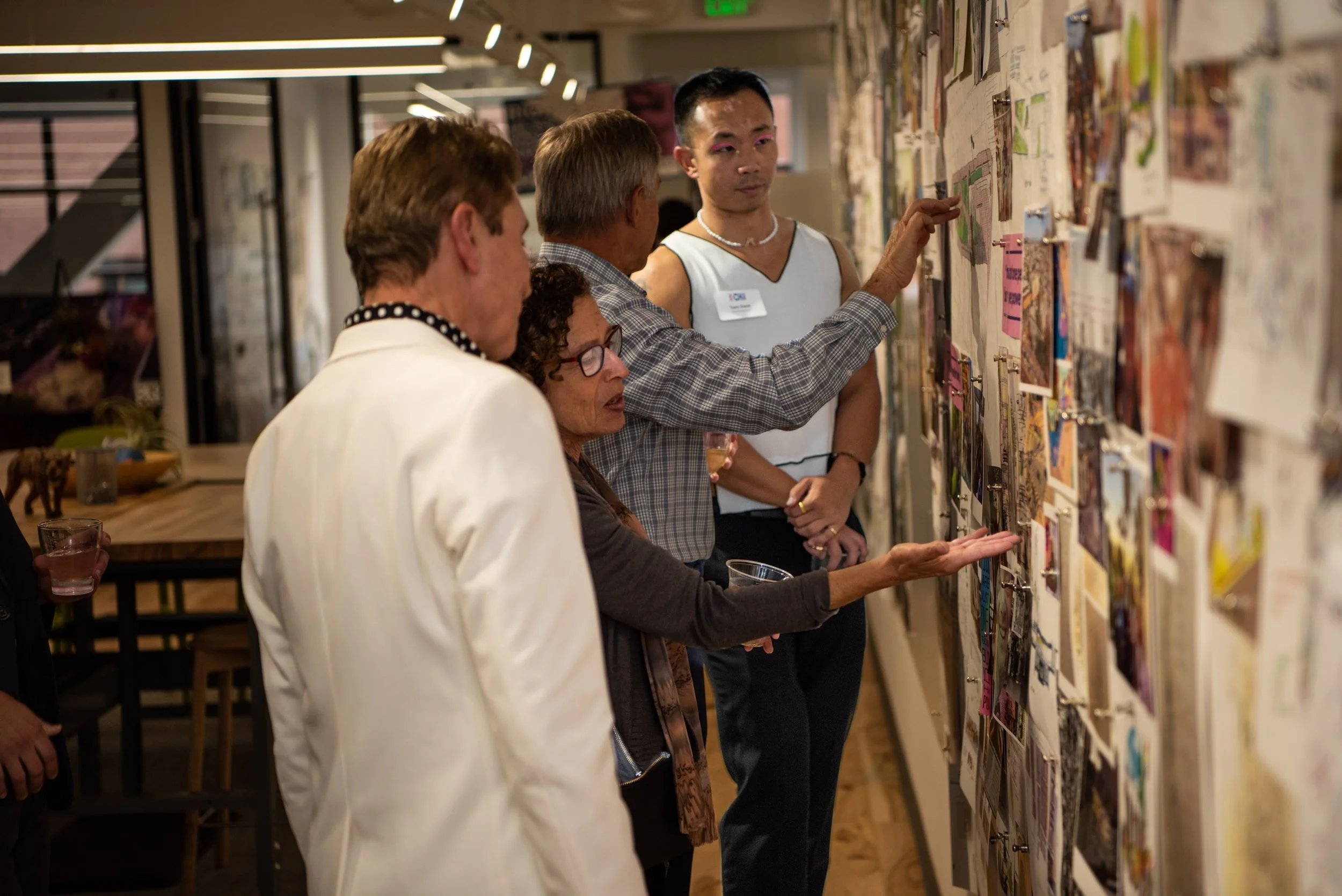
It is the story of gay men and lesbians who found each other in the Castro as far back as the late 1940s — and built, over the decades that followed, a community the world had never seen. It is the story of Black and Brown trans people who fought for rights that others would later claim as their own. It is the story of the AIDS crisis — of grief, of fury, of an entire community that refused to be erased. It is the story of artists, drag performers, leather culture, youth, and elders. Of immigrants and organizers. Of people who came to the Castro because it was the only place they could be themselves.
The Gallery is built from these stories — not as a fixed monument to the past, but as a living space that continues to amplify voices that have too often been silenced.
Now more than ever.
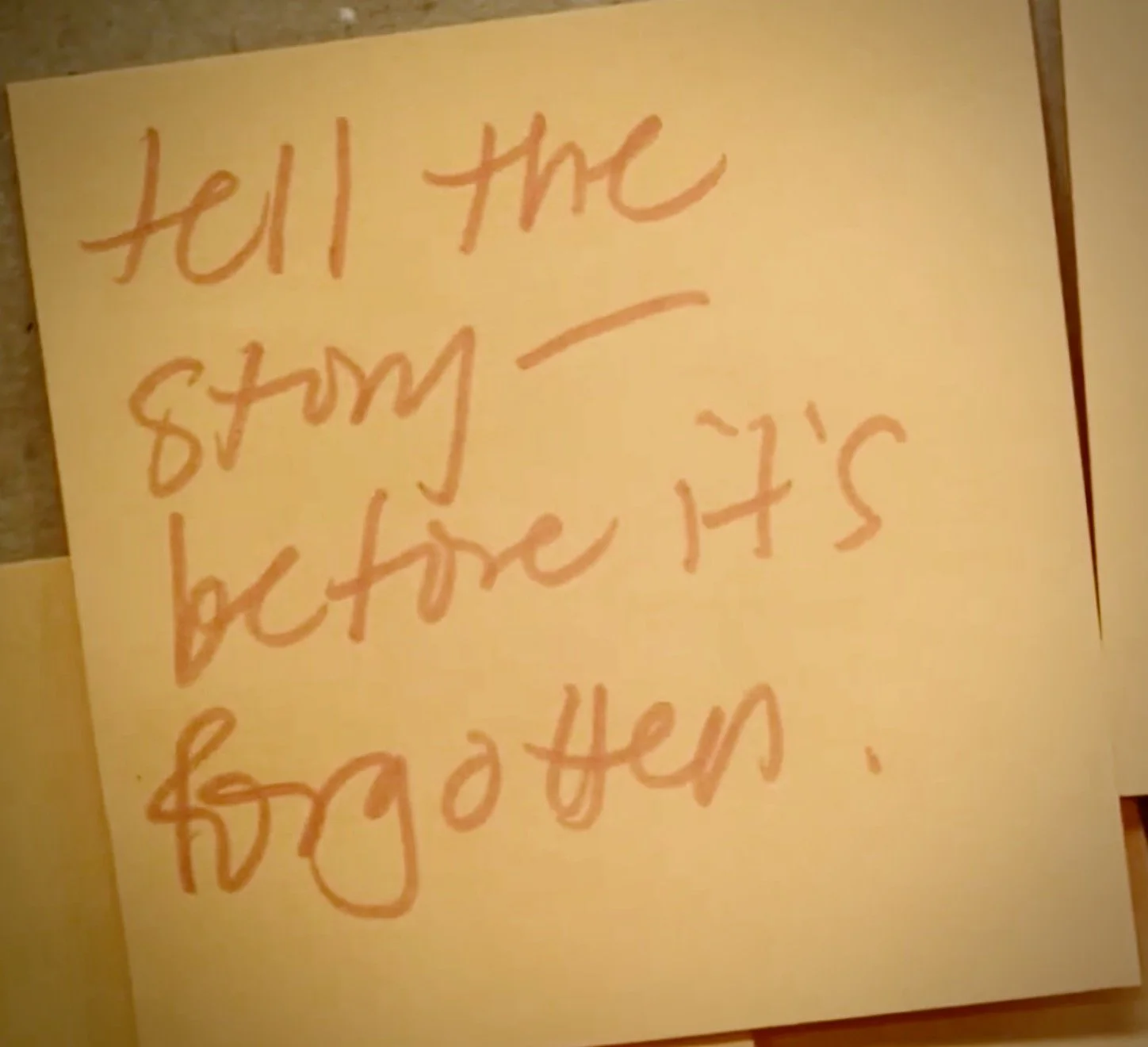
The LGBTQ+ community has won hard-fought rights — and is fighting to keep them. Marriage equality is before a changed Supreme Court. Trans and non-binary people face new legal attacks. In 2025 alone, more than 600 anti-LGBTQ+ bills were introduced in state legislatures across the country — and dozens have already become law.
Harvey Milk knew that giving people hope was an act of resistance. The Gallery at Harvey Milk Plaza will do exactly that — for the transit rider who passes through on an ordinary Tuesday, for the young person who sees themselves in this history for the first time, and for the visitor from anywhere in the world who needs to be reminded that this community has fought before, and will fight again.
The Gallery needs to be funded to be built. That campaign is underway.